
As part of Work Package 4 (WP4), the SHINE project has moved into the piloting phase of its Solar PV VET programme, focusing on its implementation with learners in partner institutions.
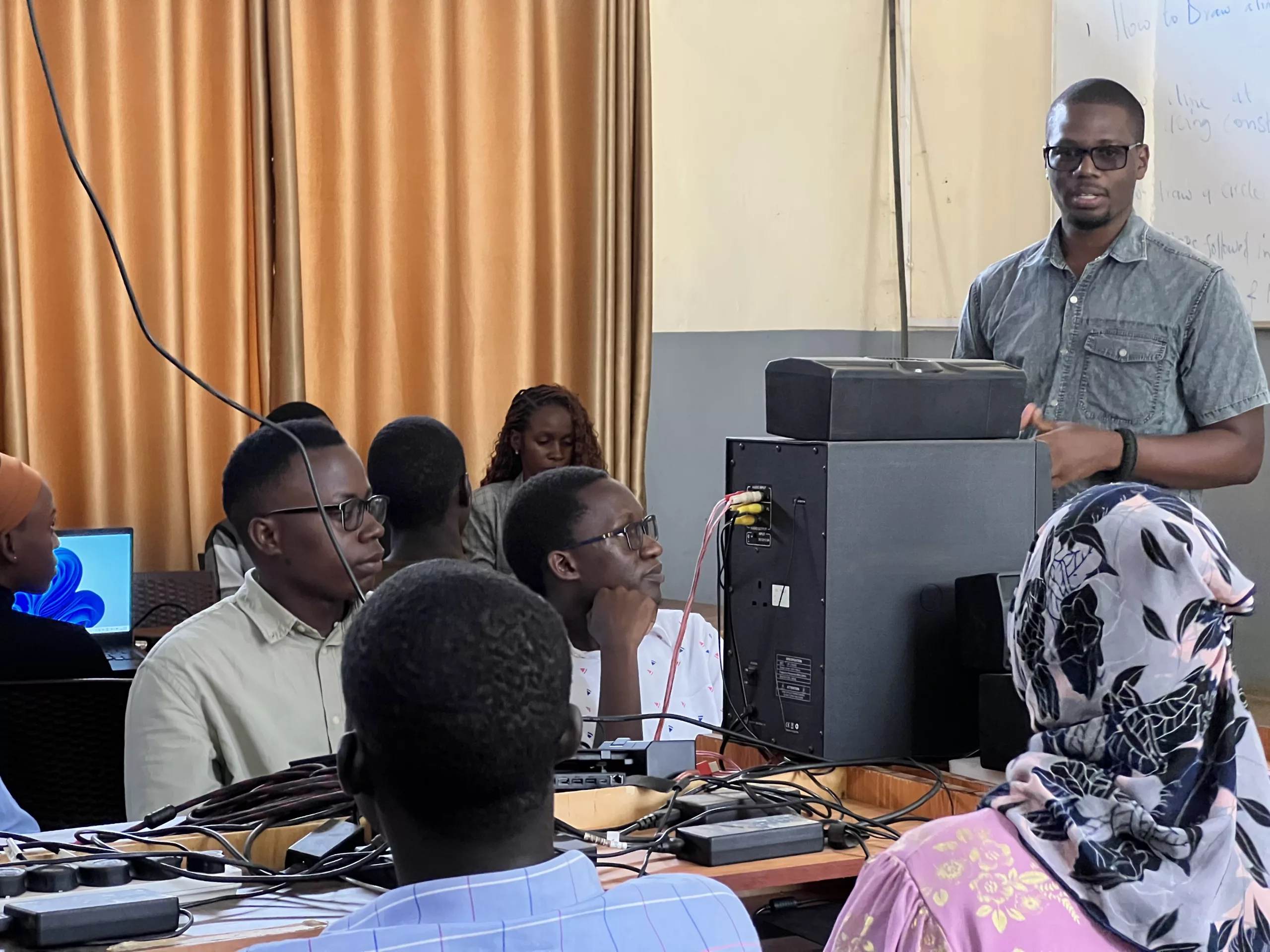
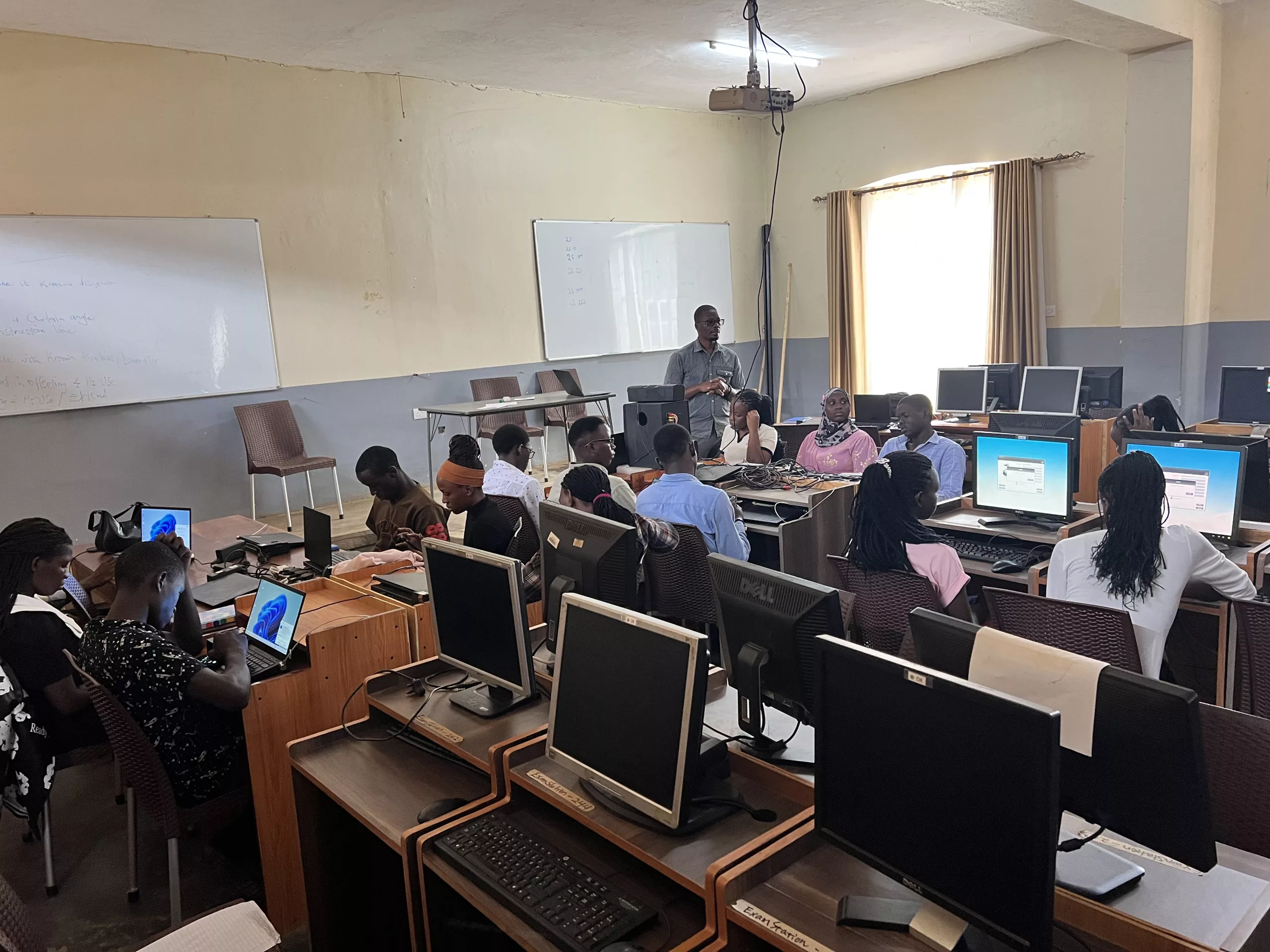
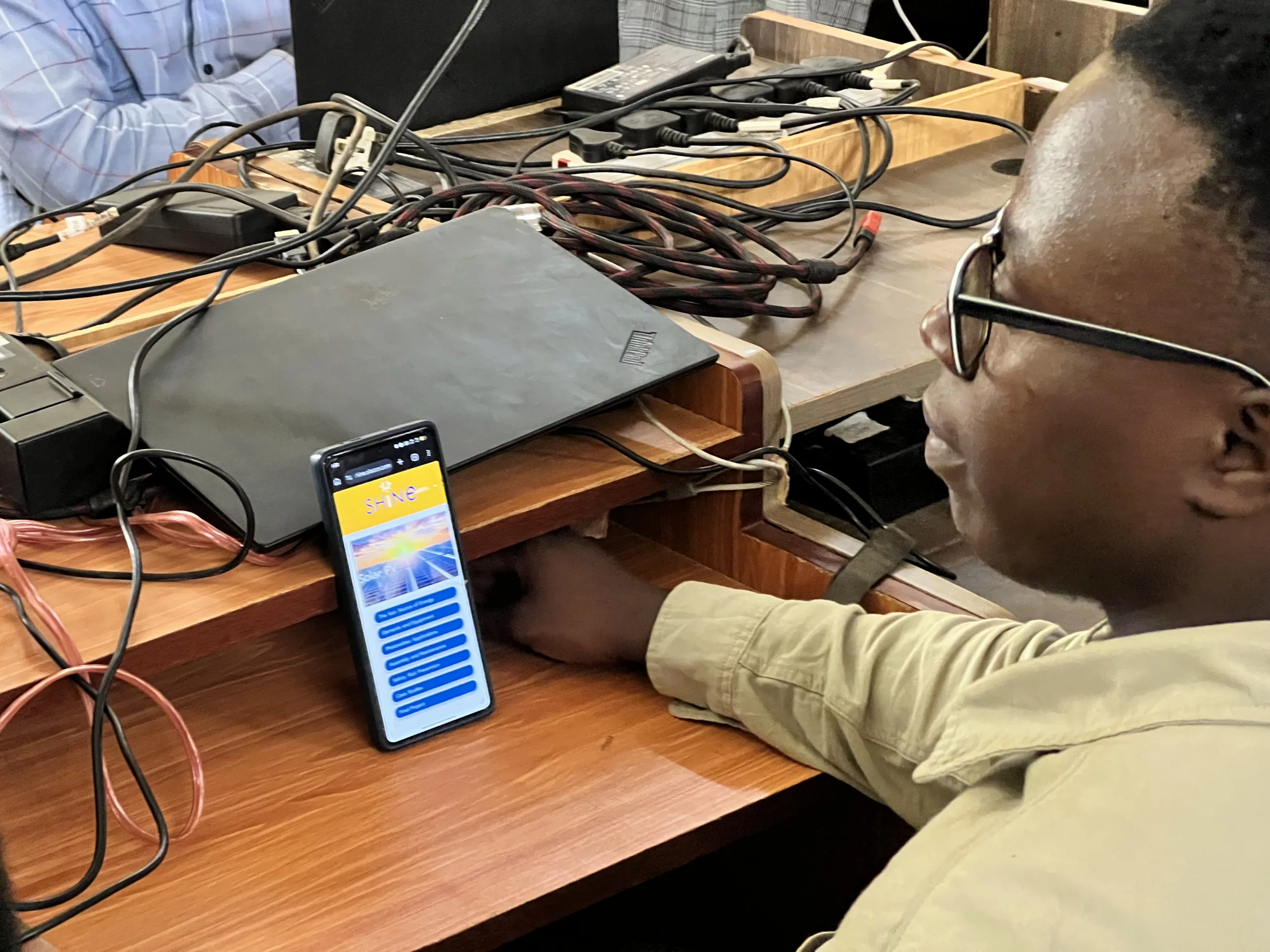
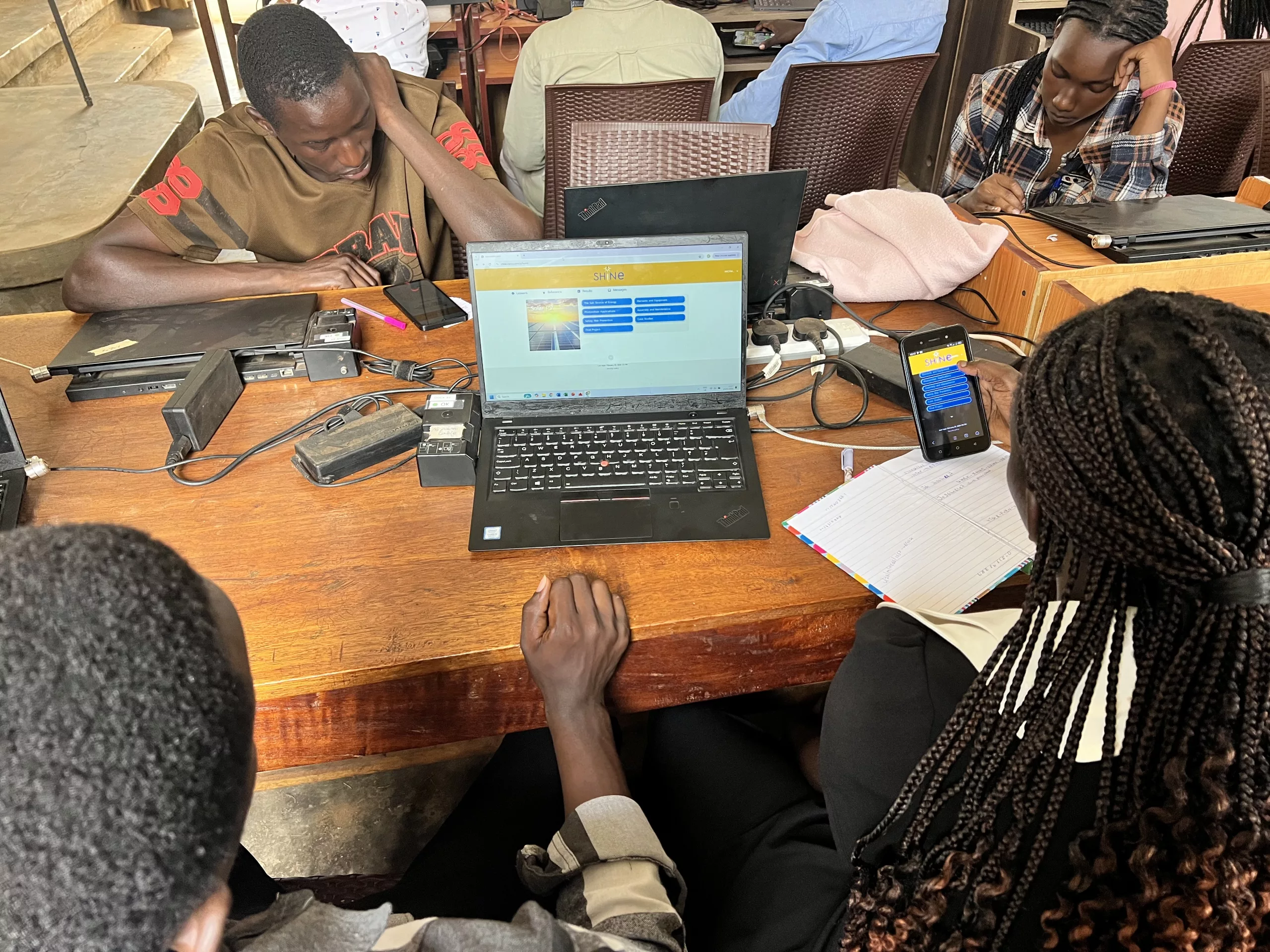
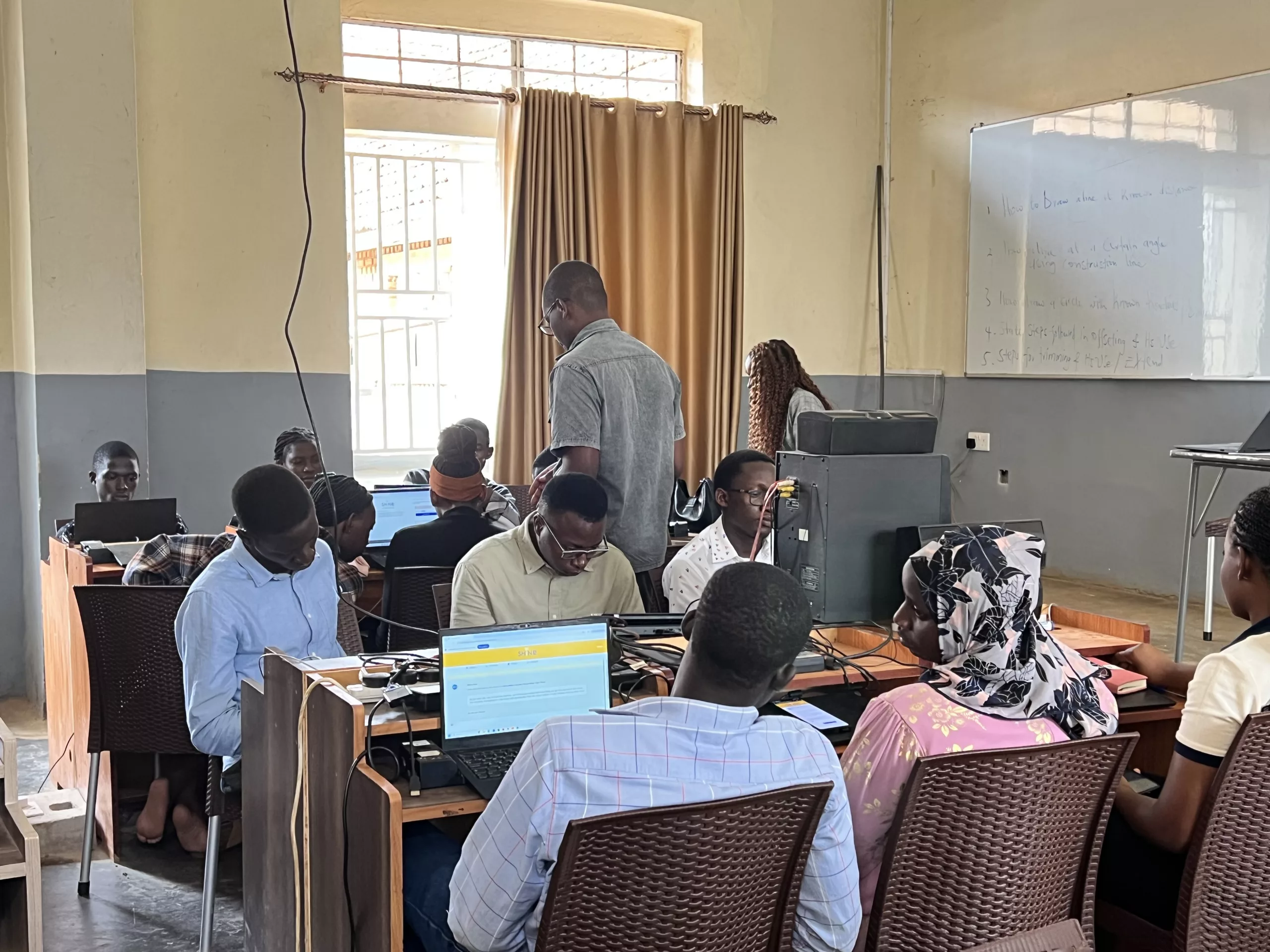
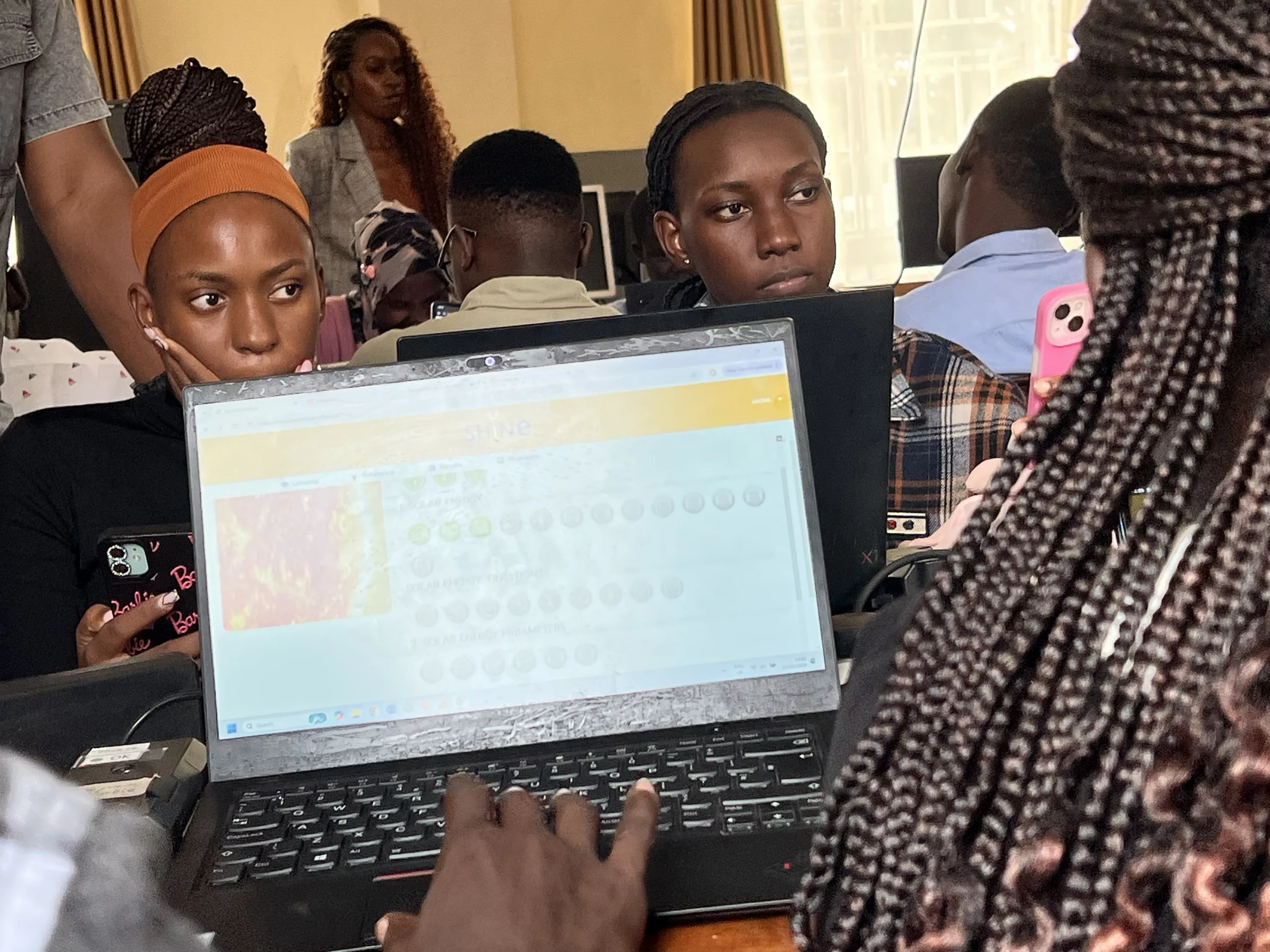
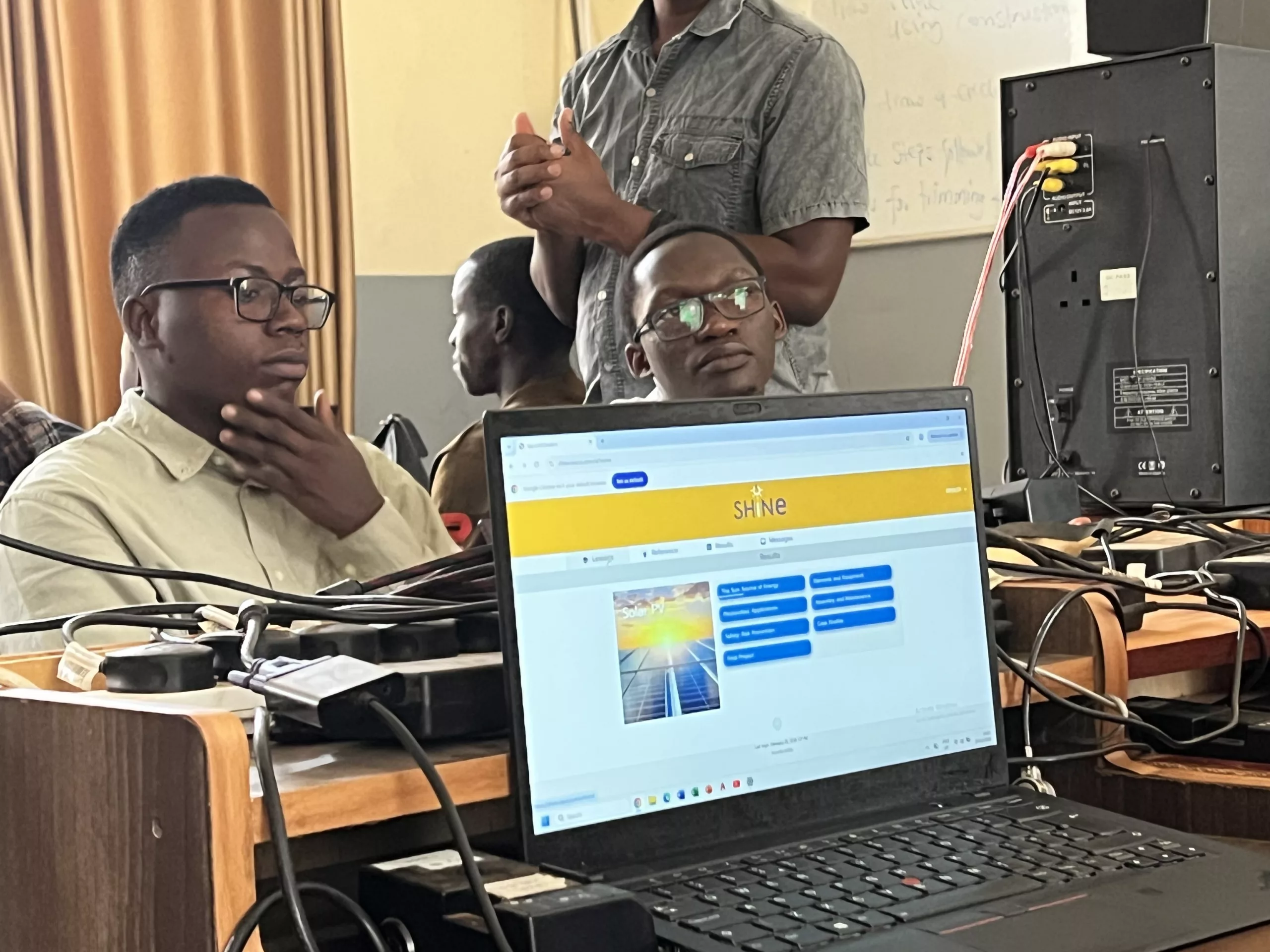
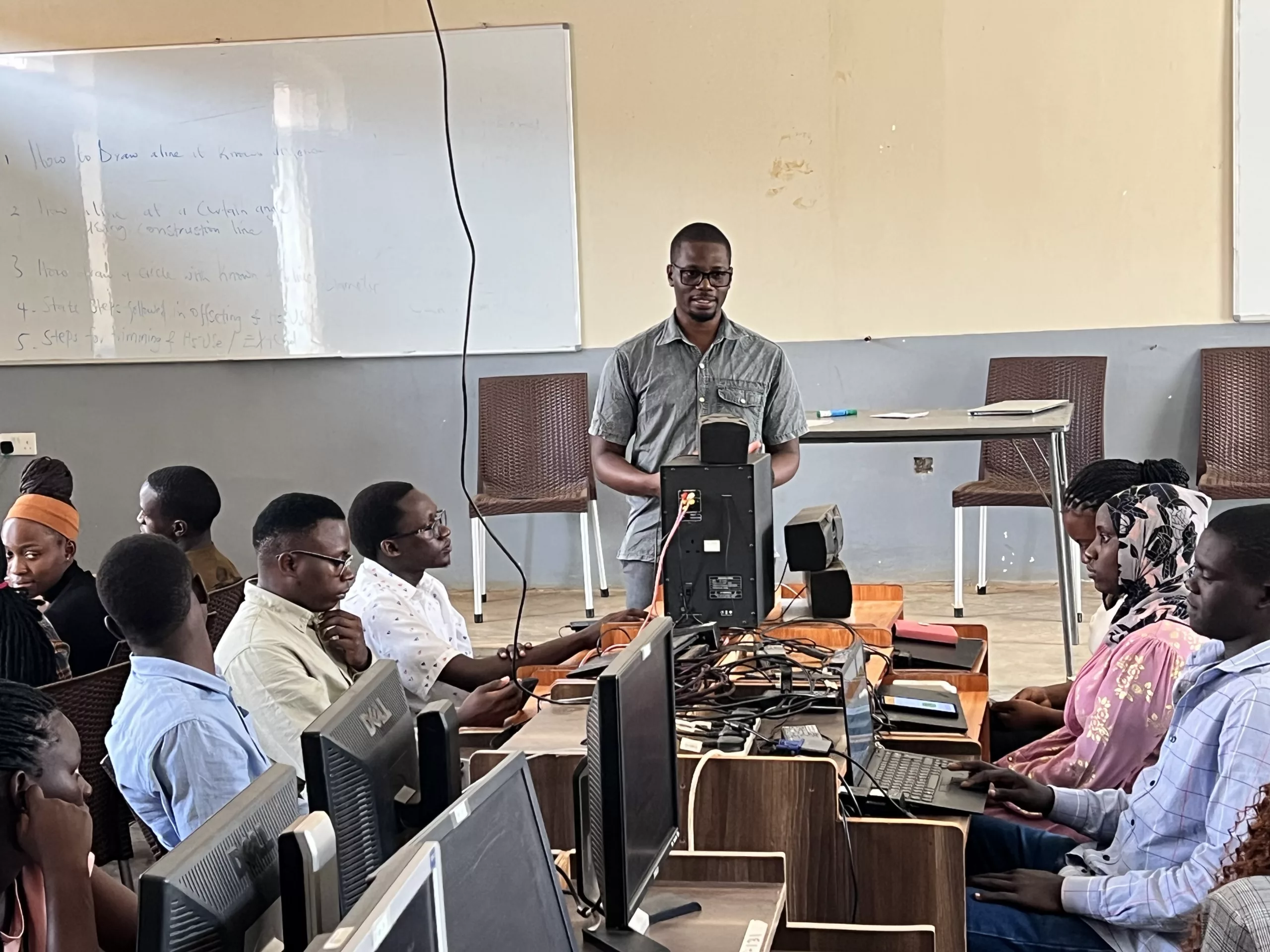
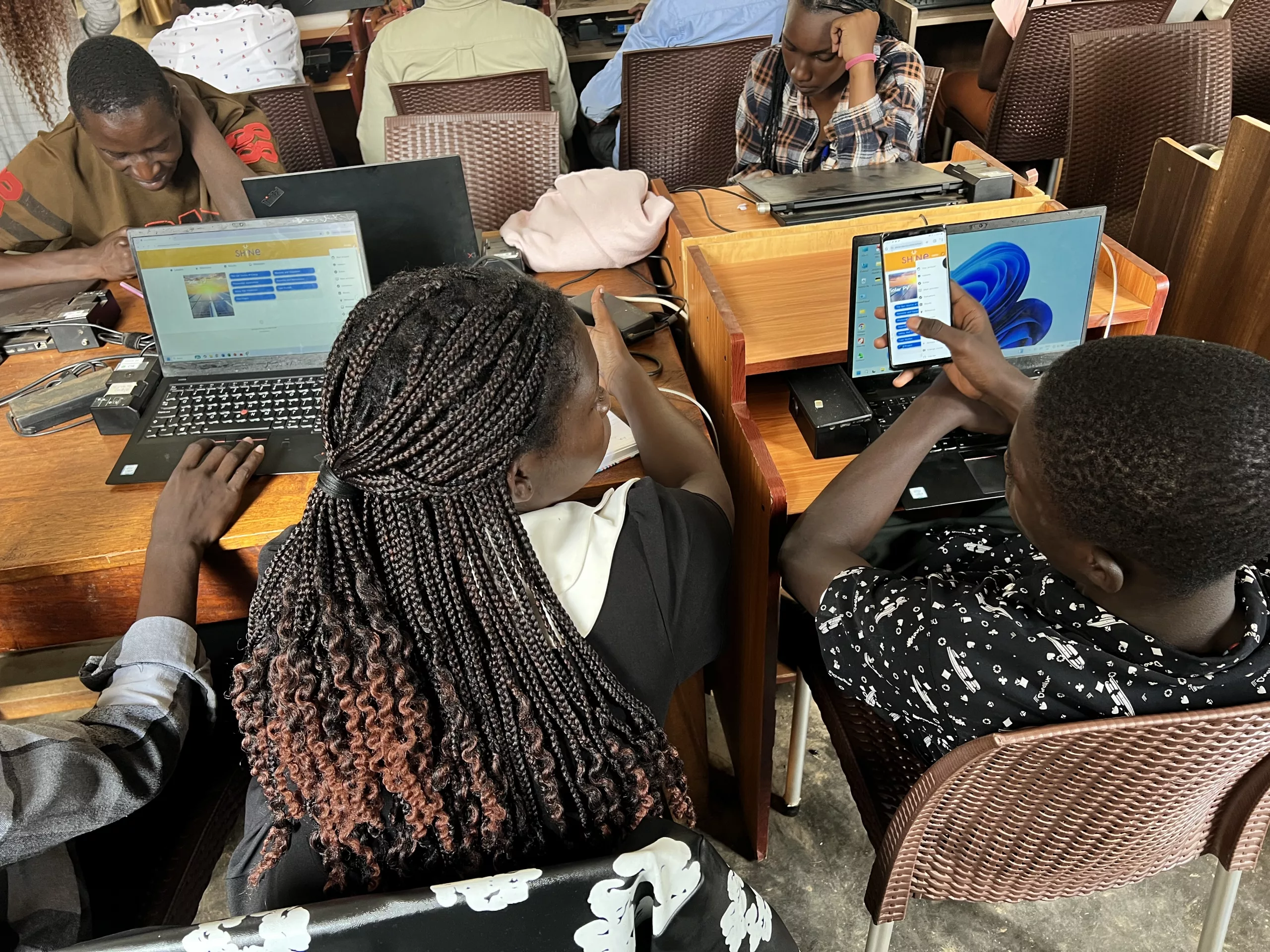
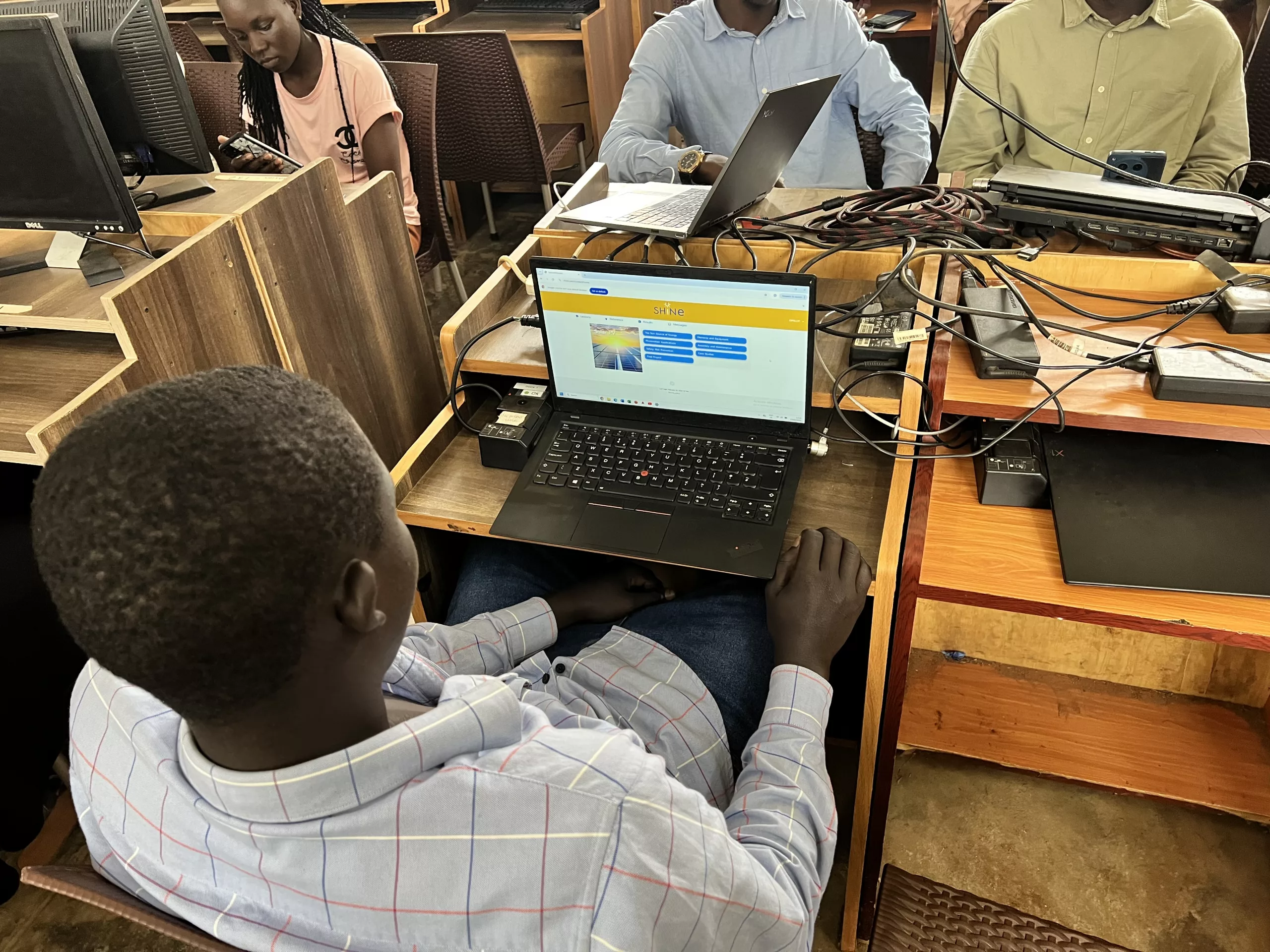
Earlier this year, this phase was also carried out at Huys Link Community Initiative (Uganda), where the SHINE platform was introduced into real training sessions with students.
From trainer content to learner experience
WP4 builds directly on the outcomes of the previous phase by adapting the training developed for teachers into student-oriented learning materials. This includes:
- Simplified and structured modules on solar photovoltaic systems
- Digital learning content integrated into the SHINE platform
- Assessments, exercises and guided activities for learners
At Huys Link, these materials were used as part of a hybrid training approach, combining online learning with in-person sessions and practical activities.
Integrating methodology, content and practice
The pilot goes beyond testing individual components. It brings together the full SHINE training model, including:
- The digital platform as a central learning tool
- Updated curricula adapted to the local context
- The Ethazi challenge-based methodology, promoting teamwork and real-life problem solving
- Initial steps towards work-based learning (WBL), connecting training with industry needs
Teachers who had participated in the capacity building and mobility activities led the implementation, applying the methods and tools developed during WP3.
What the pilot phase is testing
WP4 is designed to assess how the programme performs under real conditions. The testing in Uganda contributes to:
- Evaluating student engagement and participation
- Measuring learning outcomes and satisfaction
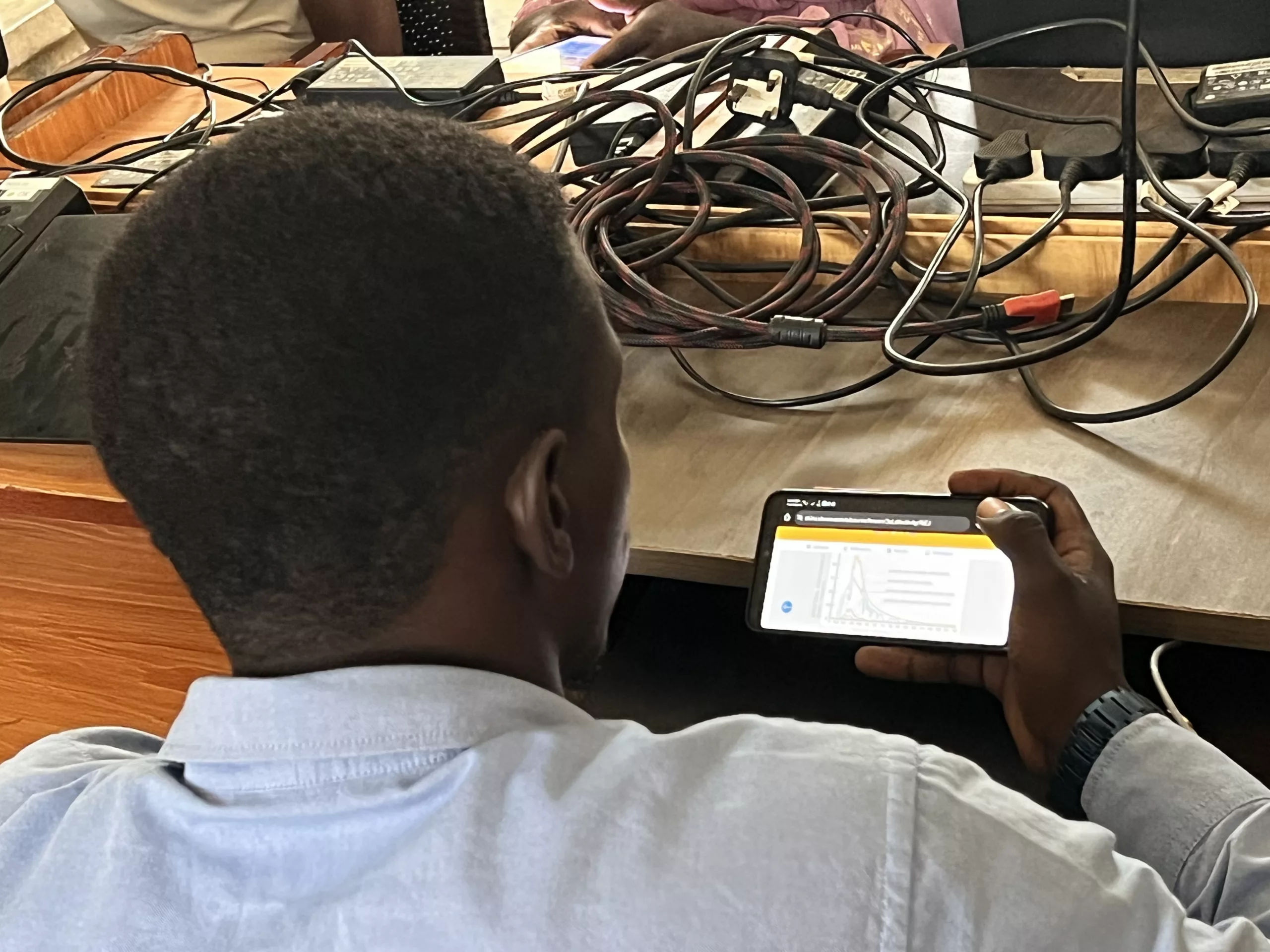
- Assessing the usability of the platform
- Identifying areas for improvement in both content and methodology
This data will feed into the final evaluation of the programme and support its further development.
Towards a validated training model
The pilot phase, which runs over several months, aims to involve more than 100 learners across partner institutions and to ensure that the programme is both practical and transferable.
By testing the platform in different contexts, including Uganda, SHINE is working towards a training model that can be adapted to diverse VET systems and aligned with labour market needs.
The testing at Huys Link represents a concrete step within WP4: moving from development to validation, and ensuring that the SHINE platform functions as an effective learning tool for students.